Your Website Gets Visitors - So Where Are the Leads?
Your Website Gets Visitors - So Where Are the Leads?
The visitors are there. But the leads aren’t...
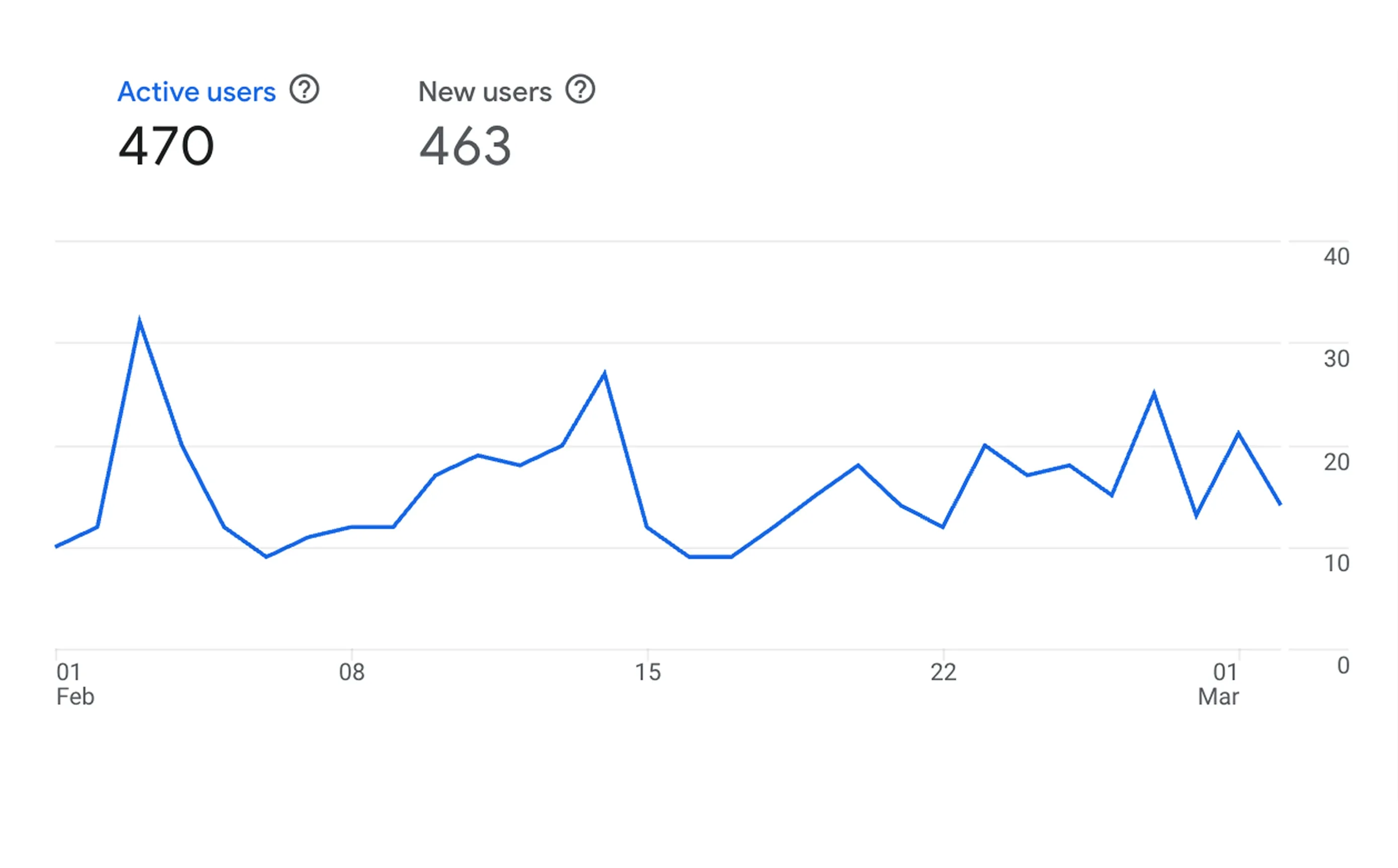
It's one of the most frustrating website problems businesses face because, on paper, things look like they should be working. People are reaching your site. Analytics shows activity. Maybe your SEO ranking is starting to move up. Maybe ads are bringing in clicks. Maybe people are landing on the right pages.
So why isn’t the phone ringing?
The mistake is treating traffic as the win. It feels good, but isn’t always a win.
Traffic only matters when the visitor is qualified, the page matches what they came for, and your website gives them enough clarity and confidence to enquire.
If one of those pieces breaks, your site starts leaking opportunity. More traffic can help, but it can also make the problem more expensive.
So before you chase more visitors, you need to know if your website is giving current visitors a fair chance to become leads.
Website traffic isn’t (always) the win
Traffic feels like progress because it’s easy to see and it feels good to have.
More users. More pageviews. More sessions. More clicks. It makes your website look alive.
But the problem is that activity isn’t the same as lead generation.
A visitor can land on your site but be the wrong fit. They might be researching, comparing, killing time, looking for a job, searching outside your service area, or looking for a price point you don’t offer.
Then there’s the page itself. The visitor might be the right type of person, but the page doesn’t help them move forward. It answers their basic questions, but not the buying question. It says what you do, but it doesn’t help them decide if you’re the right business to contact.
That’s where many websites lose leads.
A good lead path or funnel needs three things working together:
- A qualified visitor: Someone who has a real need, sits in the right market, and could realistically become a customer.
- A page that matches what they came for: If they came looking for pricing, proof, a service explanation, a local provider, or a comparison, the page needs to meet that expectation.
- Enough clarity and confidence to enquire: The visitorneeds to understand the offer, believe you’re credible, and feel like the next step is worth taking.
When traffic doesn’t become leads, one of those pieces is usually weak.
That’s why “get more traffic” is often the wrong first answer. More traffic only works when your website is ready to convert the right people. Otherwise, you’re filling a bucket before checking where the holes are.
Your page might not match what they came for
A lot of traffic problems are really page-match problems.
Someone searches, clicks, lands on your site, then realises the page doesn’t quite fit or answer what they came for. The page might be technically relevant, but commercially weak. It mentions the service, yet misses the decision sitting behind the search.
Use us for example: If someone searches for a website developer, they'll want proof we can build properly. Or if they click an ad about fixing a slow website, they'll expect the landing page to talk about performance, not send them to a generic homepage.
A visitor usually arrives with a job in mind. Your page needs to pre-recognise that job quickly.
That doesn’t mean every page needs to be long. It just means the page needs to be useful in the right way. A service page should help someone understand the offer, the fit, the process, the proof and the next step. A landing page should stay tightly matched to the campaign that brought them there. A blog post should answer the question, then give the reader a sensible next move.
This is where websites waste good traffic.
You see visitors. Your visitors sees a page that almost helps. And almost is where leads disappear.
Your website may be slowing the decision down
Lead generation depends on how easily someone can move from interest to action.
If a visitor lands on your site with some level of interest. Your website either builds on that interest, or it makes them work harder than they expected.
That doesn’t always mean your site is terrible. Usually the friction is small.
Your page takes a little too long to settle. Your copy makes the visitor work for the interpretation. Your proof appears too late. Your form asks them for too much. Your mobile layout makes the next step feel harder than it should.
Each issue is minor on its own. Together, they give the visitor more reasons to pause. And even a small pause is enough to consciously or subconsciously push buyers away.
People usually judge website performance based on how it looks, but this is where your website’s performance needs a wider definition.
Your website’s performance is more than a loading score though. It’s how well the whole page helps someone move from attention to action. The structure, copy, proof, design, mobile experience, technical quality and contact path all shape that journey.
Google’s Core Web Vitals are useful here because they look at real experience signals like loading performance, responsiveness and visual stability. In English, that means how quickly the main content appears, how fast the page responds, and if the layout shifts around while someone is trying to use it.
If your website feels heavy, unclear or awkward, people have more time to hesitate. And hesitation is often where the enquiry gets lost.
Your visitor may not feel safe enough to enquire
Most people don’t enquire the moment they understand what you do. They enquire when they feel confident enough to take the next step.
That confidence comes from the way your page handles risk. Can they see proof? Do they understand your process? Does the page explain who you’re right for? Are the examples relevant? Does the language feel specific, or could it belong to any business in your category?
This is where a lot of websites go soft.
They say things like “trusted experts”, “tailored solutions” and “quality service”, but they don’t give the visitor much to hold onto. There’s no clear proof, no useful explanation, no sharp positioning, and no real reason to choose this business over the next three tabs open in their browser.
For service businesses, trust is rarely built by one big statement. It’s built through small, specific signals in the right places.
A relevant case study near the service section. A clear explanation of what happens after someone gets in touch. A short note about pricing or project fit. A testimonial that speaks to the actual fear the buyer has. A FAQ that answers the question they’re too polite to ask on a call.
That’s what turns interest into confidence.
If your website asks for the enquiry before it earns enough trust, the visitor may still like the business. They just won’t be ready to act.
You may be measuring traffic, not lead performance
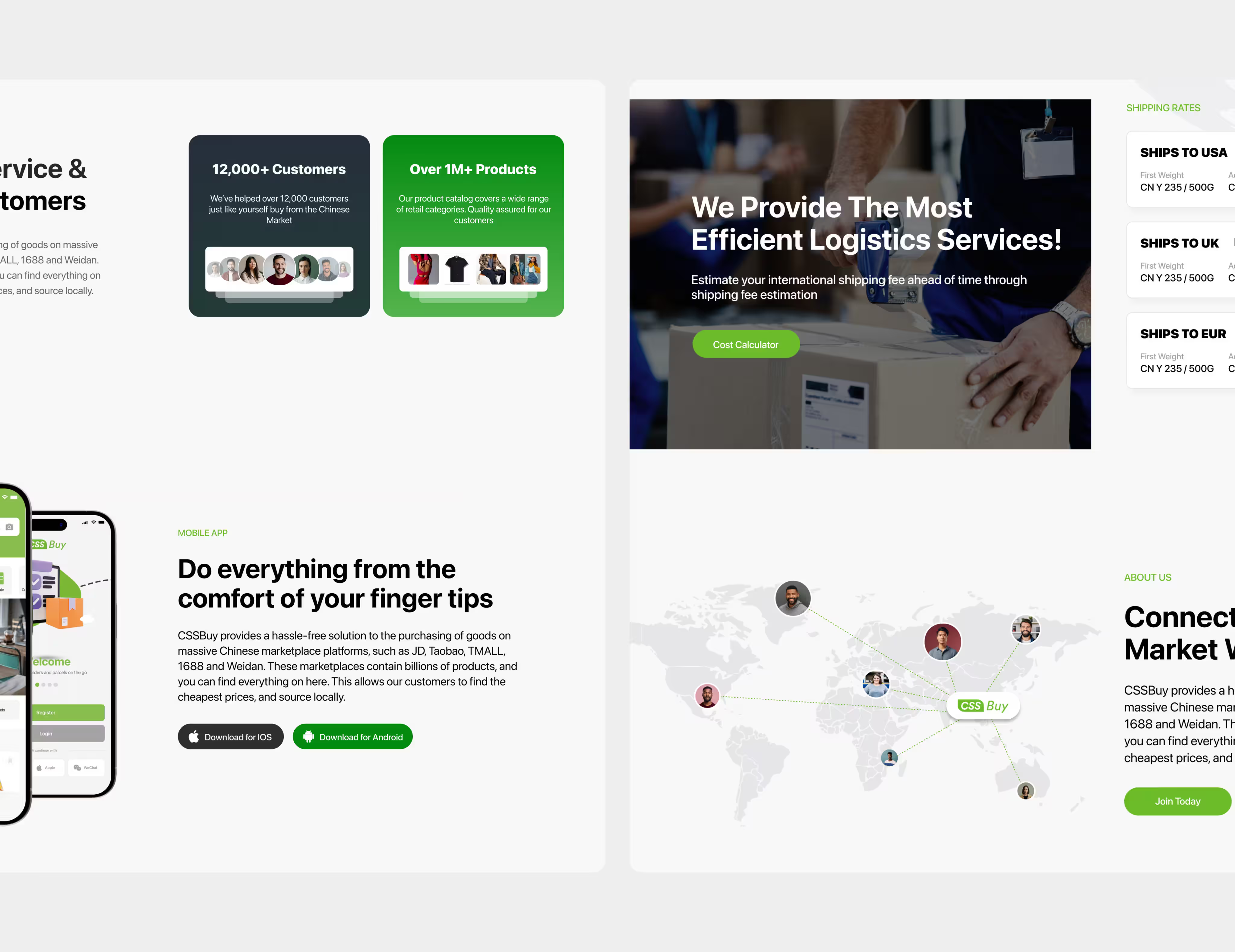
Traffic data can make your website look busier than it really is.
You might know how many people visited your site last month and you might know which channels brought them in.
But that still doesn’t tell you if your website is doing its job.
Lead performance is more specific. It asks better questions. Which pages produce enquiries? Which pages get traffic but no action? Are people clicking phone numbers? Are forms being submitted? Are booking buttons being used? Are key actions being tracked properly, or are you relying on vibes and pageviews?
This is where a lot of businesses get stuck. They can see activity, but they can’t see the path from visit to lead clearly enough to make good decisions.
That creates a dangerous loop.
The site doesn’t generate enough enquiries, so the business tries more traffic. The extra traffic doesn’t convert well either. Because tracking is weak, nobody can clearly prove where the leak is. So the team debates opinions instead of fixing the path.
Before you spend more money getting people to your site, make sure you can measure what happens once they arrive.
At minimum, you want to know which pages attract the right visitors, which pages help create enquiries, and which important actions are being tracked. In GA4, important actions can be marked as key events, which helps separate meaningful lead behaviour from general browsing.
What to check before chasing more traffic
Before you spend (or burn) more money getting people to your website, check if your site is giving those people a fair chance to reach out.
Start with the page they actually land on. Not just the homepage. Look at the service page, campaign page, blog post or location page that brought them in. Ask what that visitor was likely looking for, then judge the page against that expectation.
A simple check looks like this:
- Is the visitor qualified?Are they in the right market, location, budget range and buying stage?
- Does the page match what they came for?If they came looking for pricing, proof, a specific service, a local provider or a comparison, does the page answer that quickly?
- Is the offer clear?Can someone understand what you do, who it’s for, and why it matters without working too hard?
- Is there enough proof before the next step?Case studies, examples, testimonials, process details and fit signals should appear before doubt takes over.
- Does the mobile experience keep people moving?If the mobile version feels cramped, slow or annoying, the visitor may never reach the enquiry point.
- Is the next step easy?The form, phone number, booking link or enquiry path should feel obvious and low-effort.
- Are the important actions tracked?If calls, forms, button clicks and bookings aren’t tracked properly, you’re missing the evidence you need to improve the site.
This doesn’t mean every page needs to become a funnel page. It means every important page should have a job, and you should be able to tell if it’s doing that job.
Our free Website Health Checker can help you spot obvious technical issues first: speed, performance, usability, accessibility and technical quality. From there, the next layer is commercial: does the page actually help the right person enquire?
Fix the leak before filling your bucket
More traffic can absolutely help your business grow. But it just won’t fix a weak lead path, it'll make it worse
If your current visitors arent becoming leads, adding more visitors may only increase your waste. The better move is to find the leak first.
If people are landing on the wrong pages, that’s an SEO or campaign alignment issue. If the right people are landing but not acting, that’s usually a CRO problem. If the site feels heavy, fragile or hard to use, your website foundations may need work. If nobody can prove what’s happening, tracking needs to be cleaned up before bigger decisions are made.
The main point is simple: traffic isn’t the win. Leads are closer, but even leads aren’t the whole story. The real goal is a website that helps the right people move from interest to action with less friction and more confidence.
If your site already gets visitors but the leads aren’t there, get in touch. We can help you work out if the issue sits in CRO, website foundations, page structure, tracking or the offer itself.
Don’t buy more traffic until you know where the current traffic is going.
Frequently asked questions: